


Parenting Support for High Needs Kids
Specializing in PDA and other complex profiles
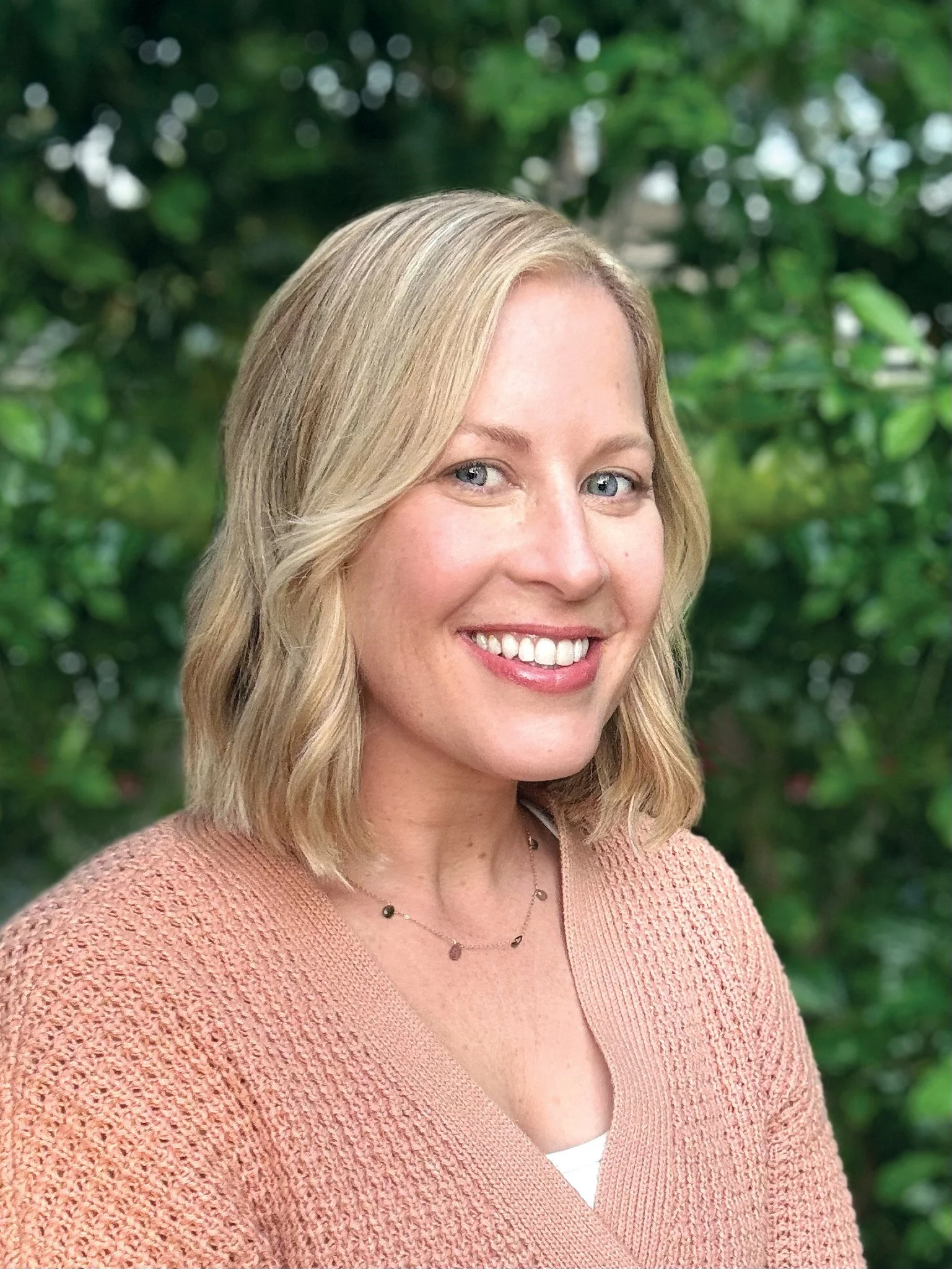
Katherine L. Olson, PhD
Licensed Psychologist
PSY 26091
(she, her)
Welcome! If you are here, you’ve already taken the courageous first step toward getting support. Parenting in the context of our world today is hard enough—and many of us are doing it without the help we need from family, schools, and the broader community. We all know we can’t parent from an empty cup, but the standard advice to engage in more “self-care” falls flat for many of us facing very real challenges with our children who are suffering right before our eyes.
My goal is to partner with you to offer a new lens for understanding and supporting your family’s needs, including your own.
When I first became a parent, I was shocked and humbled to find myself unable to soothe my extremely sensitive child. Our journey was scary, isolating, and often traumatic. My deepest hope is to provide parents and caregivers with the support that my family desperately needed, and could not find.
What I’ve come to understand on a deep level is that connection and felt safety are underpinnings of any work that I do with families, and the foundational north star of our work together. While all kids need and deserve autonomy and respect, some kids cannot function without it. I specialize in helping families who have children with extremely sensitive nervous systems who don’t respond well to traditional parenting and educational approaches.
My lived experience continues to inform my work everyday, as do the lessons I learn from the families I am fortunate to work with. From the lens of Interpersonal Neurobiology, I view nervous system support and relational connection as primary goals toward well-being. My approach is trauma-informed, neurodivergent-affirming, and grounded in my lifelong effort to be culturally responsive.
Education & Training
I earned my PhD in 2012 from the University of California, Santa Barbara in their Counseling/Clinical/School Psychology Program, with an emphasis in Clinical Psychology. I completed my doctoral studies in the Koegel Autism Center, and my predoctoral internship at the University of New Mexico in their Early Childhood track, where I worked in the Neurodevelopment Clinic. Following graduation, I returned to Santa Barbara to complete my hours for licensure through a private company, where I focused on autism diagnostic evaluations, psychotherapy, and clinical supervision of interns. In 2019, I opened a private practice, where I now focus on parent support for raising children with complex profiles.
Supporting connection and felt safety—for YOU and your child.

Services
-
$225 per session
Limited slots available
Offered to CA residents
Virtual or in person
-
$350 for 90 minute initial consultation
$225 for 50 minute follow-up sessions
Available in person or virtual to clients nationally and internationally
-
$350 for 90 minutes
-
Free/donation-based gathering in Santa Barbara, CA
For all caregivers of people with disabilities
Held the fourth Sunday of every month from 4:00-5:15pm
You deserve care!
This feels hard because it is hard. You are not to blame, and you are not alone.
Areas of Expertise
Autism and ADHD
PDA (Pervasive Drive for Autonomy/ Pathological Demand Avoidance)
Parenting Support
Parenting Grief and Trauma
Depression and Anxiety

Helping you find freedom and peace within the constraints of your actual life.
Dr. Katherine L. Olson
Psychologist, PhD
PRESENTATIONS/TRAININGSTraining on PDA and Neurodiversity Affirming Care for schools and universities, community organizations, parent groups, as well as for-profit businesses.
PUBLICATIONSEssay published in: Refuge
PODCASTSPayment
I do not take insurance, but am happy to provide you with a superbill for services rendered. You may be able to get partial reimbursement from your insurance company for out-of-network services.
Sliding scale prices are available upon request, with priority given to disabled, racialized, queer, or otherwise multiply marginalized individuals. I also offer sliding scale fees to families who have had their employment compromised by caregiving responsibilities, as is so often the case in families with high-support needs kids.